
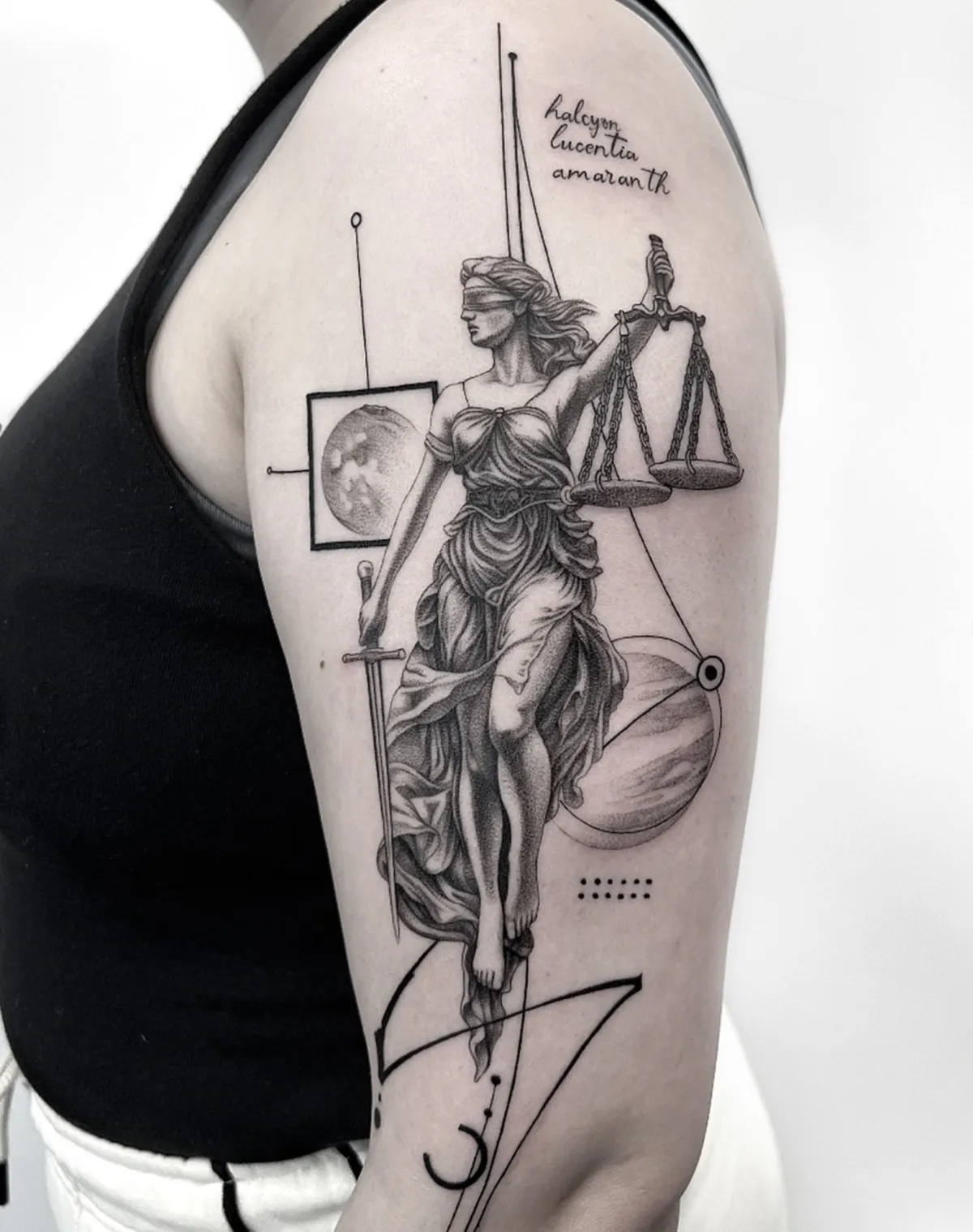
The Journey Is the Point
People often think of getting a tattoo as a single event — you show up, you get inked, you go home. But the reality is that a tattoo is a journey with multiple stages, and each one matters. I have refined this process over years of working in Helsinki, Amsterdam, and Berlin, learning from every client what works, what does not, and what makes the difference between a good experience and a great one.
I want to walk you through the entire journey, start to finish. Whether you have never been tattooed or you have a full sleeve, understanding the process helps set expectations and — I believe — makes the final result better for everyone involved.
Stage One: The Initial Inquiry
Everything begins with a message. Most of my clients reach out through Instagram or my booking form. This first contact is more important than people realize, because it is where I start to understand who you are and what you are looking for.
Here is what I typically need from that first message:
- Your idea. It does not have to be fully formed. "I want something with flowers" is a perfectly good starting point. So is a detailed Pinterest board with fifty reference images. I work with wherever you are in the process.
- Placement and approximate size. Where on your body are you thinking? How big? These details affect the design significantly.
- Reference images. Even if you are not sure exactly what you want, showing me tattoos or artwork that resonates with you gives me a sense of your aesthetic — the mood, the style, the energy you are drawn to.
- Any context you want to share. If this tattoo has a story behind it, I want to hear it. Not because I am nosy, but because the meaning informs the design. A memorial piece carries different weight than a spontaneous flash tattoo, and both deserve my full attention.
I respond to every inquiry personally. I ask follow-up questions. I am honest right away if an idea is not within my style or skillset — in those cases, I will recommend another artist who would be a better fit. I would rather point you in the right direction than take on something I cannot execute at the level you deserve.
Stage Two: The Consultation
Once we have established the basics through messaging, we move to the consultation. This can happen in person at my studio or over a video call if you are traveling from another city.
The consultation is where the idea starts becoming real. We talk through the concept in depth. I ask questions you might not have considered: How will this piece interact with your body's natural lines? Are you planning to extend this into a larger project eventually? How does this placement work with your daily life?
I also give honest feedback. If you want a design packed with tiny details at a size where those details will blur within a few years, I will tell you. If a placement will cause the tattoo to distort in ways you might not like, I will explain that. This is not me overriding your vision — it is me protecting the longevity of the piece. A good tattoo artist is also a good advisor.
My job during the consultation is to listen first, then bring my expertise to what I have heard.
We will also talk about logistics: how many sessions a piece might require, a rough timeline, and pricing. I believe in transparency. There should be no surprises when it comes to cost or time commitment.
Stage Three: The Design Phase
This is where I disappear into my sketchbook and tablet for a while. Based on our consultation, I create a custom design tailored specifically to you — your body, your story, your aesthetic preferences.
I typically share the design one to two days before the appointment. This gives you time to sit with it, show it to people you trust, and come back to me with any thoughts. I encourage feedback. This is a collaboration, not a monologue. If something does not feel right, tell me. If you love it, tell me that too. Both responses are useful.
Revisions are a normal part of the process. I would rather adjust a design three times and have you walk into your session feeling genuinely excited than rush to ink something you are only ninety percent sure about. That last ten percent matters.
Some important things to understand about the design phase:
I do not share the final design weeks in advance. There is a reason for this. Tattoo designs are created specifically for one person's body and placement. Sharing them too early increases the risk of the design being copied, and it also means the stencil might not account for last-minute adjustments we make together on the day.
The design on paper will look different on skin. Paper is flat. Your body is not. Part of my skill is understanding how a design translates to a three-dimensional, moving surface. Trust the process — it will make sense when you see the stencil on your skin.
Stage Four: Session Day
This is the day everything comes together. Here is what to expect, step by step.
Before you arrive. I always send a preparation message a day or two before your appointment. Eat a good meal. Stay hydrated. Get decent sleep. Avoid alcohol the night before — it thins your blood and affects the session. Wear comfortable clothing that gives easy access to the tattoo area. Bring snacks if you want them.
When you arrive. I will have everything set up already — my station cleaned and prepped, supplies laid out, the design finalized. We will chat for a few minutes, go over the design one last time, and then move to stencil placement.
Stencil placement. This part is sacred to me. The stencil goes on, you look in the mirror, and we evaluate together. Does it flow with your body? Is the angle right? Is it exactly where you want it? We take as much time as we need here. I have repositioned stencils many times in a single session, and I will do it without complaint every time. Placement is permanent. Patience here is non-negotiable.
The tattoo itself. Once you approve the placement, we begin. I explain what I am doing as I work, especially with first-timers. "I am going to outline first, then we will move to shading." This narration helps people feel in control. They know what is happening and what comes next.
For longer sessions, we take breaks. I watch my clients carefully — I can usually tell when someone needs to stop before they tell me. Water, snacks, a walk to the bathroom, a few minutes of stretching. These pauses are not wasted time. They keep you comfortable and keep my work precise.
Wrapping up. When the tattoo is complete, I clean the area thoroughly and let you see the finished piece. Take your time. This is your moment. Then I apply the protective wrap and we move to the most important conversation of the day: aftercare.
Stage Five: Aftercare
I cannot overstate how much aftercare matters. A beautifully executed tattoo can heal poorly if it is not cared for properly, and a well-cared-for tattoo will look better for decades. This stage is just as much my responsibility as the session itself.
Here is the aftercare process I walk every client through:
The first few hours. Keep the wrap on for the time I specify — this varies depending on the type of wrap used. When you remove it, wash the tattoo gently with lukewarm water and fragrance-free soap. Pat dry with a clean paper towel. Never use a cloth towel during healing.
The first two weeks. Apply a thin layer of the aftercare product I recommend, two to three times a day. Do not over-moisturize — a thin layer is better than a thick one. Do not scratch, pick, or peel. Your tattoo will flake and itch. This is normal. Leave it alone.
What to avoid. No swimming, no saunas, no direct sunlight on the fresh tattoo, no soaking in baths. Showers are fine — just do not blast the tattoo with hot water directly. Avoid tight clothing that rubs against the area.
The weeks after. Healing typically takes three to four weeks for the surface, but the deeper layers of skin take longer to fully settle. Your tattoo might look slightly cloudy or dull during healing — this is completely normal. The vibrancy comes back.
I tell every client: if something worries you during healing, send me a photo. I would rather look at ten "is this normal?" messages than have someone suffer in silence.
Stage Six: The Follow-Up
About four to six weeks after your session, I check in. How is the healing going? Are you happy with the piece? Is there anything that needs attention?
Sometimes a tattoo needs a small touch-up — maybe a line that did not retain as much ink as expected, or a spot that healed unevenly. This is normal and not a sign that anything went wrong. Bodies heal differently, and some areas are trickier than others. I include one touch-up session in my pricing because I want every piece to look its absolute best once fully healed.
Why the Full Journey Matters
Every stage I have described exists for a reason. Skip the thorough consultation and you risk a design that does not quite fit. Rush the stencil placement and the tattoo lives in the wrong spot forever. Neglect aftercare and the best line work in the world will not save the result.
I have built this process through years of experience and, honestly, through mistakes early in my career where I learned what happens when steps are skipped or rushed. The journey from first message to healed tattoo should feel intentional, collaborative, and caring at every point.
When someone tells me that the whole experience felt smooth and thoughtful, that is when I know I have done my job — not just as an artist, but as someone people trust with something permanent on their body. That trust deserves a process worthy of it.